Digital Transformation and Tax Compliance: E-Invoicing and Taxes
By Rawan Osama ~ {{ PublishDate | datetime:'fullDate'}}
Finance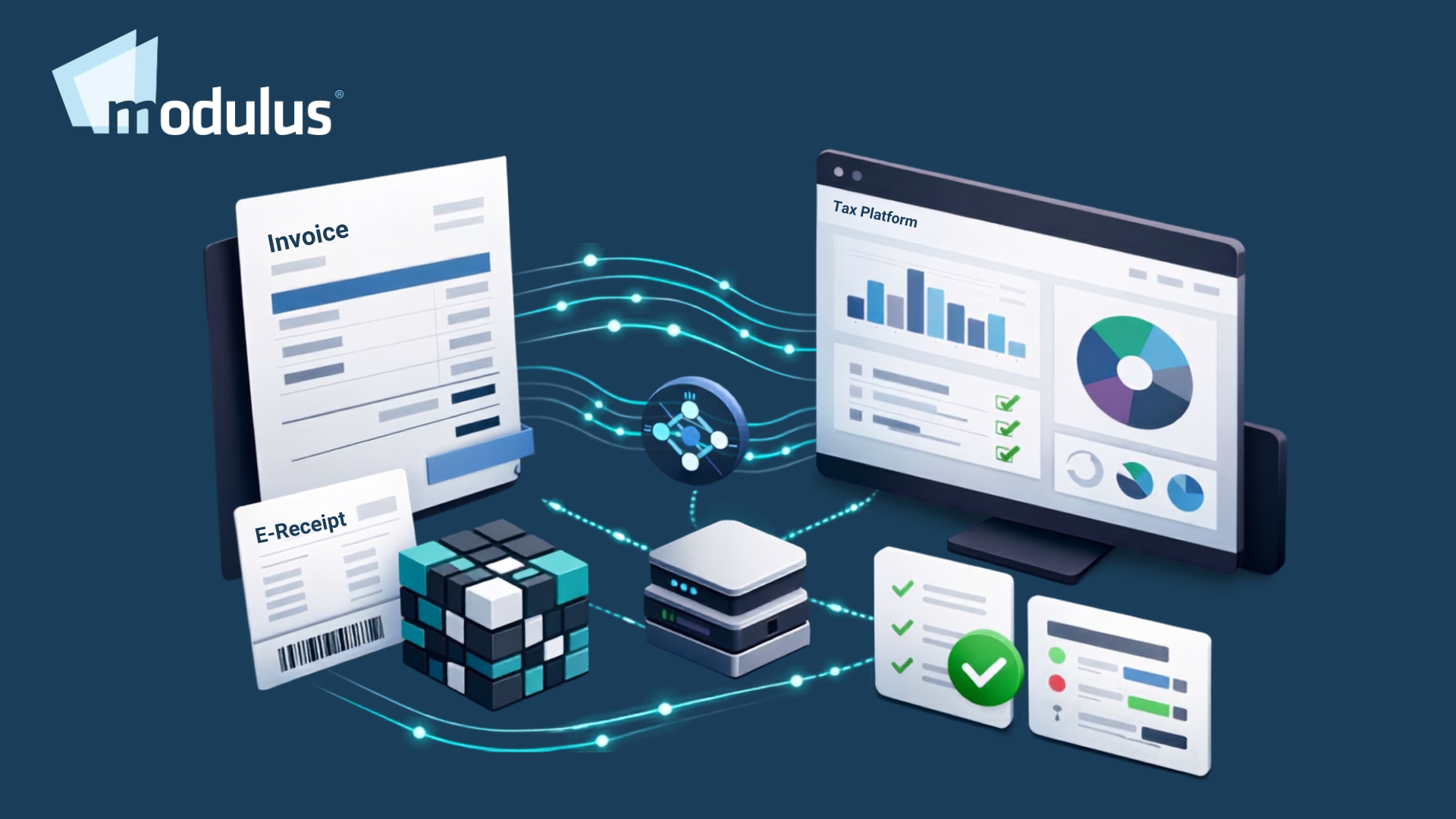
Digital Transformation and Tax Compliance: How E-Invoicing and Financial Systems Help Businesses Stay Compliant
Digital transformation is no longer limited to improving operational efficiency or reducing paperwork. It has become an essential part of how businesses manage their operations, financial data, and regulatory requirements.
In Egypt, the shift toward digital tax systems, including e-Invoicing and e-Receipt, represents an important step toward digitizing financial transactions and improving tax compliance.
For businesses, however, compliance is not only about issuing an electronic invoice. It is also about managing sales, invoices, taxes, and financial data through accurate and connected processes.
What Does Digital Transformation Mean in Financial Management?
Digital transformation in financial management means moving from manual processes and disconnected files to digital systems that help businesses record, manage, and monitor financial transactions more efficiently.
For example, instead of creating an invoice manually, entering the same information again into an accounting system, and handling tax calculations separately, these processes can be connected through one integrated system.
This is where ERP systems become important.
An ERP system can connect different business processes, including:
Sales and invoicing
Accounting and financial transactions
Taxes
Purchases and expenses
Customers and suppliers
Financial reporting
By connecting these processes, businesses can reduce duplicate data entry and gain better visibility into their financial operations.
What Is E-Invoicing?
An electronic invoice, or e-Invoice, is a digital document issued and recorded electronically according to the requirements set by the Egyptian Tax Authority.
The Egyptian Tax Authority explains that the e-Invoice system applies to business-to-business transactions (B2B), while businesses joining the system are required to meet a number of requirements, including electronic signing or sealing, coding goods and services, and integrating electronically with the e-Invoice system.
E-Invoicing is therefore more than simply replacing a paper invoice with a digital version. It is part of a broader digital transformation of financial and tax processes.
How Are E-Invoicing and Tax Compliance Connected?
Tax compliance means that a business follows the applicable tax rules and requirements, from properly recording transactions and issuing the required documents to maintaining accurate financial and tax data.
E-Invoicing plays an important role in this process by making transaction data more organized, traceable, and easier to review.
The Egyptian Tax Authority has emphasized the importance of e-Invoicing and e-Receipt systems in documenting transactions and supporting tax compliance.
For businesses, this makes digital management of invoices and financial data an increasingly important part of their financial operations.
Why Is E-Invoicing Alone Not Enough?
Some businesses may assume that becoming compliant simply means submitting invoices through the e-Invoice system.
However, the real challenge often starts before an invoice is issued.
If customer information is inaccurate, products and services are not properly coded, or tax data is entered manually, businesses may still face errors even when using e-Invoicing.
This is why e-Invoicing should be connected to the rest of the financial workflow.
For example:
Sales Transaction → Customer Data → Invoice → Tax Calculation → Accounting Entry → Financial Reports
When these steps are managed through an integrated system, businesses can reduce manual work and improve the accuracy and consistency of their financial data.
How Can an ERP System Support Tax Compliance?
An ERP system helps businesses manage financial data in one centralized environment instead of relying on separate spreadsheets, applications, or disconnected processes.
Some of the key benefits include:
1. Centralized Financial Data
When customer, product, pricing, and tax information are maintained in one system, businesses do not need to repeatedly enter the same data across different platforms.
This helps reduce data-entry errors and maintain consistency across financial operations.
2. Better Invoice Management
An ERP system can generate invoices based on recorded business transactions while maintaining an organized record of issued invoices and their status.
3. Connecting Invoices with Accounting
Instead of creating an invoice and then recording the accounting transaction separately, the invoice can become part of an integrated financial workflow.
This gives accounting teams more accurate and consistent data for financial reporting and review.
4. Reducing Manual Processes
The more manual steps a financial process contains, the greater the possibility of data-entry and transfer errors.
Automation reduces repetitive work and allows finance teams to spend more time on reviewing and analyzing financial information.
5. Better Financial Reporting
Integrated financial systems give management clearer visibility into sales, expenses, invoices, taxes, and other financial data through organized reports.
This supports not only compliance but also better financial decision-making.
E-Invoice vs. E-Receipt: What Is the Difference?
It is important for businesses to understand the difference between the two systems.
E-Invoicing is mainly associated with business-to-business (B2B) transactions, while e-Receipt is associated with transactions with the final consumer (B2C), according to the Egyptian Tax Authority's guidelines.
The requirements and implementation rules depend on the nature of the business and the applicable tax authority decisions.
Therefore, businesses should identify which system and requirements apply to their activities.
What Do Businesses Need to Prepare for Digital Tax Compliance?
Digital transformation does not start with purchasing software alone. Businesses also need to review and organize their processes and data.
1. Review Current Financial Processes
Identify how invoices, sales, expenses, and taxes are currently managed and where repetitive manual work or potential errors exist.
2. Organize Customer, Product, and Service Data
Well-organized data is essential for successful digital transformation, particularly when businesses need to meet coding and integration requirements.
3. Ensure Electronic Signature or Seal Readiness
Electronic signing or sealing is among the requirements associated with joining the Egyptian e-Invoice system.
4. Choose the Right ERP or Financial System
Businesses should consider systems that can connect financial processes instead of managing each operation separately.
5. Integrate with the E-Invoice System
The Egyptian Tax Authority provides integration requirements for businesses using ERP systems to connect with the e-Invoice system.
This allows invoicing to become part of the company's overall financial workflow rather than a separate process.
How Does Digital Transformation Change the Role of Finance Teams?
Digital transformation does not simply introduce new tools. It can also change how finance teams spend their time.
Instead of spending hours on:
Manual data entry
Searching for invoices
Matching information across different files
Checking repetitive errors
Preparing reports manually
Finance teams can spend more time analyzing financial data, monitoring performance, reviewing transactions, and supporting management decisions.
Technology therefore becomes more than a tool for recording transactions. It becomes a way to improve financial management and business performance.
Modulus and Digital Financial Transformation
As businesses grow and transaction volumes increase, managing financial operations through separate files or disconnected systems can become increasingly difficult.
Modulus ERP provides an integrated environment for managing financial operations, including invoicing, sales, expenses, accounting, and other financial processes.
By connecting financial data within one system, businesses can reduce manual work, improve data accuracy, and gain clearer visibility into their financial operations.
Integrating an ERP system with the e-Invoice system can also make invoice issuance part of the company's overall financial workflow rather than a separate manual process.
Conclusion
Tax compliance and digital transformation are becoming increasingly connected.
As Egypt continues to expand its digital tax systems, businesses need financial data that is organized, accurate, and traceable, with invoicing and tax processes integrated into their overall financial operations.
Choosing the right ERP system can help businesses do more than manage e-Invoicing requirements. It can also support more efficient financial management, fewer manual errors, better data quality, and more informed business decisions.
The real goal of digital transformation is not simply to issue an electronic invoice. It is to build a more connected, organized, and scalable financial operation.
Take the next step toward integrated financial management with Modulus ERP.
https://modulus.biz/site/en/OrderDemo